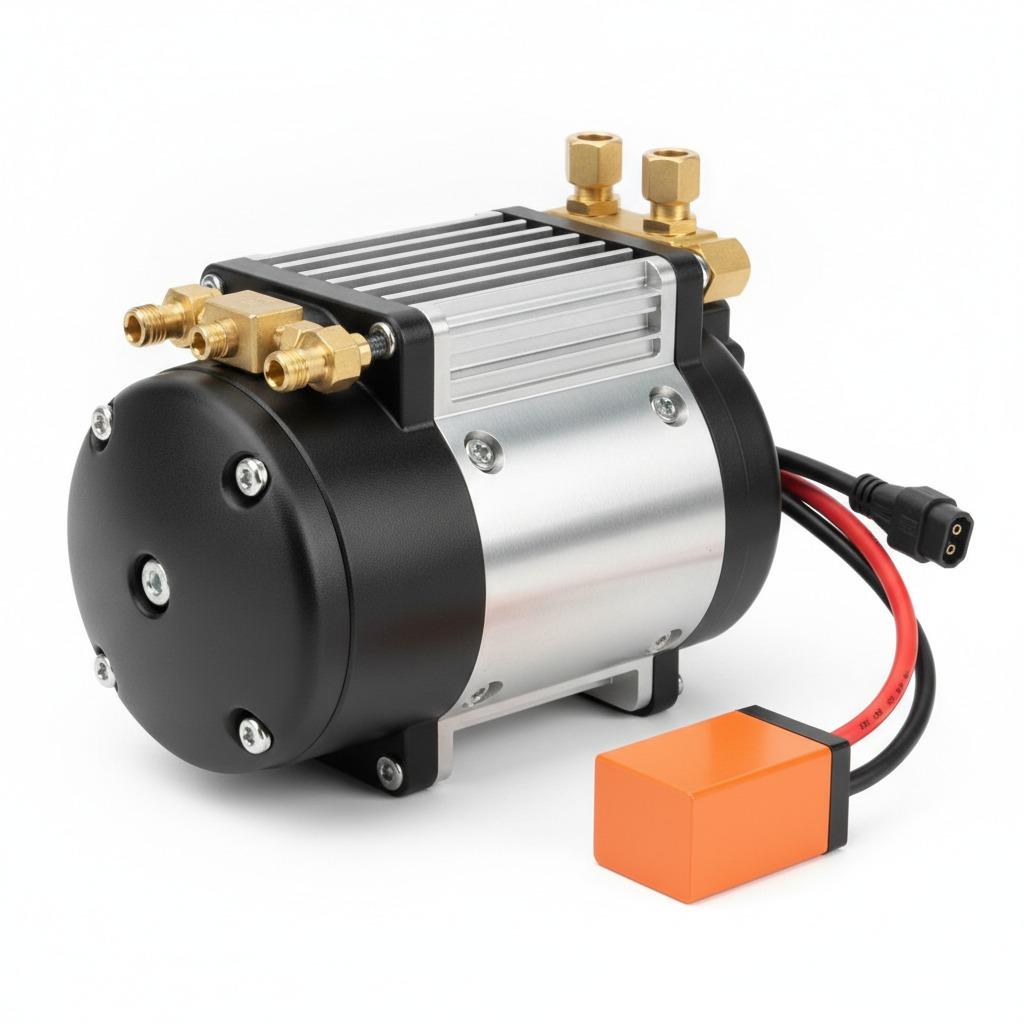
Why buyers pay attention to the Air suspension Compressor 97035815107
The Air suspension Compressor 97035815107 sits in a category that looks simple from the outside and becomes very unforgiving the moment it underperforms. For Porsche Panamera owners, fleet technicians, aftermarket sourcing teams, and repair shops, the compressor is not just another electrical part. It is the component that keeps the air system alive, maintains ride height, and helps the vehicle stay usable when the suspension needs to work harder than expected.
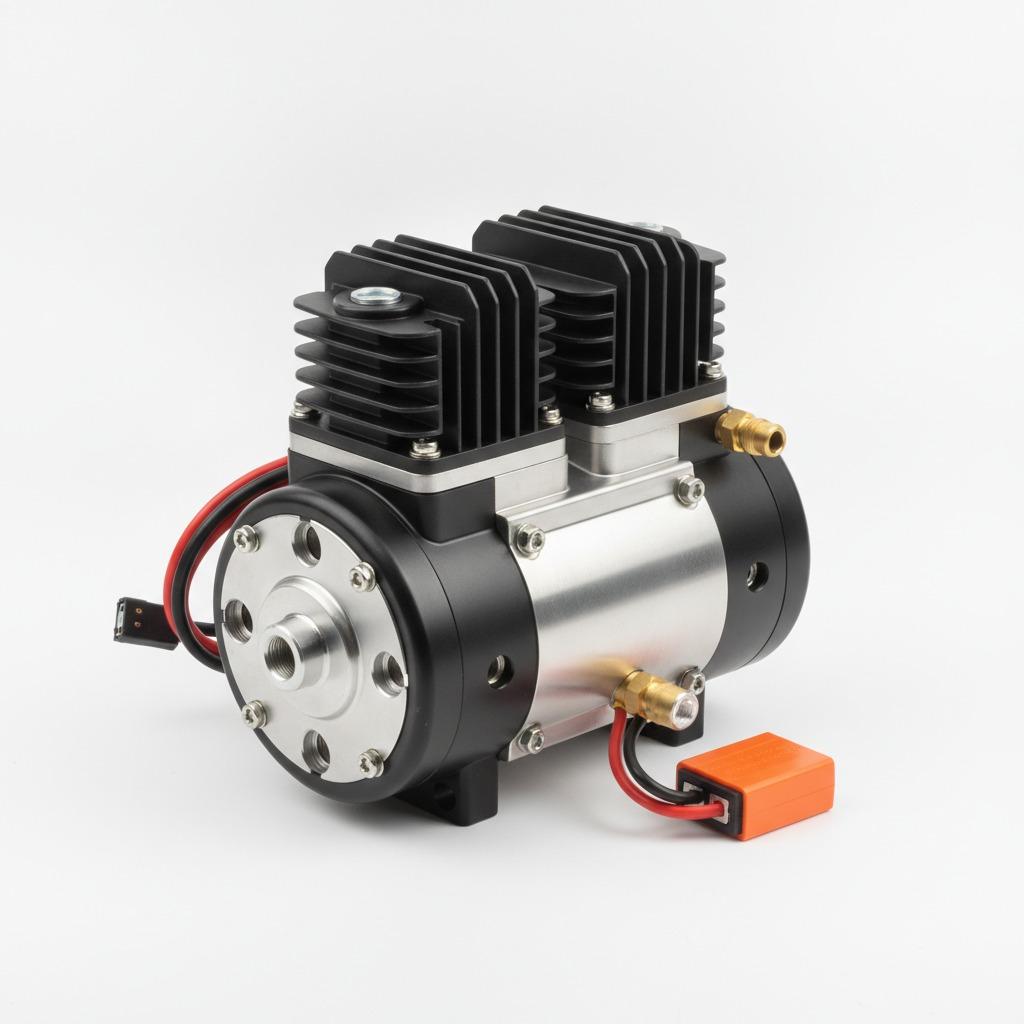
That is why buyers usually care less about the brochure language and more about practical fit, mounting, port layout, connector style, and whether the unit is built as a complete assembly. In the case of a compact onboard compressor like this, the visible details matter: the cylindrical metal body, the finned upper section for heat dissipation, the integrated wiring harness, the brass fittings, and the mounting points all suggest a preassembled electromechanical unit designed for direct installation in a mobile pneumatic system.
Quick reference: what this compressor tells you at a glance
If you are comparing replacement parts, here is the sort of information that can be confirmed from the visible construction and should guide the buying decision before you get lost in part numbers and listing titles.
Visible strengths
The compressor has a compact form factor, which is important in passenger vehicles where installation space is limited. It also appears to include a wiring harness and connector, along with dual threaded air ports capped for protection. Those details usually help reduce installation friction and lower the risk of missing hardware at the bench.
What still needs verification
Voltage, airflow, pressure rating, duty cycle, internal compressor type, and whether the unit is oil-free or oil-lubricated are not visible. Those are not details to guess at. A compressor that physically fits can still be a poor choice if the electrical load, output, or control logic does not match the vehicle system.
Where an air suspension compressor matters most
In an air suspension system, the compressor’s job is straightforward but critical: generate compressed air and feed it to the system when the vehicle needs leveling or height correction. When that supply weakens, drivers often notice slow response, sagging corners, warning lights, or a suspension that seems to chase its own tail. On some vehicles, the complaint is intermittent at first, then becomes persistent.
For a Porsche Panamera application, the part choice is especially sensitive because fitment and system compatibility matter more than a generic “universal compressor” claim. A shop may save a few minutes at ordering time by choosing by appearance alone, but that rarely ends well once the vehicle is on the lift. The safer route is to match the part number, connector, bracket geometry, and port arrangement against the vehicle requirement.
What the construction suggests about the part
The visible materials point to a typical assembled electromechanical compressor unit. The silver cylindrical body appears to be a brushed or satin metal housing, while the upper section and surrounding components use black molded polymer or coated metal. Brass fittings on the outlet side are a practical choice because pneumatic connections need to resist wear and repeated service handling. The presence of cooling fins is another useful clue, since heat management is one of the limiting factors in compact compressors.
There is also an orange relay or connector block visible in the assembly. That is not a trivial detail. In vehicle systems, electrical connection quality can be just as important as output. A compressor that has the right mechanical size but a poor harness match can create nuisance faults, weak startup behavior, or avoidable diagnostic headaches.
How buyers should evaluate a replacement
When sourcing a part like the Air suspension Compressor 97035815107, the first question is not “is it a compressor?” It is “is it the right compressor for this system?” That means checking the part number, the vehicle application, the electrical interface, and the mounting points. If the unit is being considered for an aftermarket repair, the buyer should also ask whether the compressor comes as a complete assembly or whether related pieces must be transferred from the old unit.
One practical caution: a compressor may look nearly identical across multiple listings, especially in online marketplaces, but small differences in the bracket, port orientation, or connector shape can make installation awkward or impossible. That is where sourcing discipline pays off. If a supplier cannot clearly identify compatibility, that is a warning sign, not a minor inconvenience.
Common mistakes that cost time
The most common mistake is treating the part as interchangeable based on its general shape. The second is ignoring the system duty profile. Even without published pressure or flow data here, it is reasonable to say that a suspension compressor works under repeated cycling and thermal stress. A part chosen only for physical resemblance may fail early if it was not intended for that load pattern.
Another mistake is overlooking the wiring. If the harness, relay connection, or terminals differ, the installation may require adaptation that can compromise reliability. That is not a job for improvisation unless the technician is fully aware of the electrical consequences.
Buyer advice for sourcing teams and repair shops
For sourcing managers, the smarter purchase decision is to verify as much as possible before the order is placed: part number match, mounting style, port configuration, connector style, and whether the assembly is complete with fittings installed. For technicians, the practical test is simple: if the replacement arrives with the same physical layout and connection points, the installation path is much cleaner and the risk of comebacks is lower.
If you are buying for a Porsche Panamera Air Compressor/posche panamera application, be careful with generic labeling. Listings can be inconsistent, and misspellings often hide vague fitment claims. A clear supplier description is worth more than a flashy title.
Next step
If you are shortlisting a replacement, use the visible assembly details as the first filter, then confirm vehicle compatibility and electrical requirements before purchasing. That extra verification usually takes less time than dealing with a return, and far less time than redoing a suspension repair after the first compressor proves to be the wrong match.
For anyone sourcing this part in volume or for a repair program, the right move is to request a fitment confirmation and a clear breakdown of the compressor assembly before committing to stock.
Leave a Reply