Choosing an Air Suspension Compressor 97035815107: what buyers should look for before the vehicle goes down on its stops
An Air suspension Compressor 97035815107 is the kind of part that usually gets attention only after a car starts sagging overnight, cycling too often, or refusing to reach the right ride height. For engineers, sourcing teams, and repair buyers, that is a bad time to be making assumptions. The compressor is not just a small motor with a pump head attached; it is the part that keeps a pneumatic suspension system usable, stable, and quiet enough for daily driving.
When people search for an Air Compressor/posche panamera replacement, they are often trying to answer a practical question: is the unit they are buying actually suitable for the suspension system, or is it just visually similar? That distinction matters. A compact compressor may look straightforward in a product photo, but the real decision comes down to fit, connector layout, electrical compatibility, mounting style, and whether the assembly is built to handle repeated pressure cycles without overheating.
What this compressor assembly appears to be
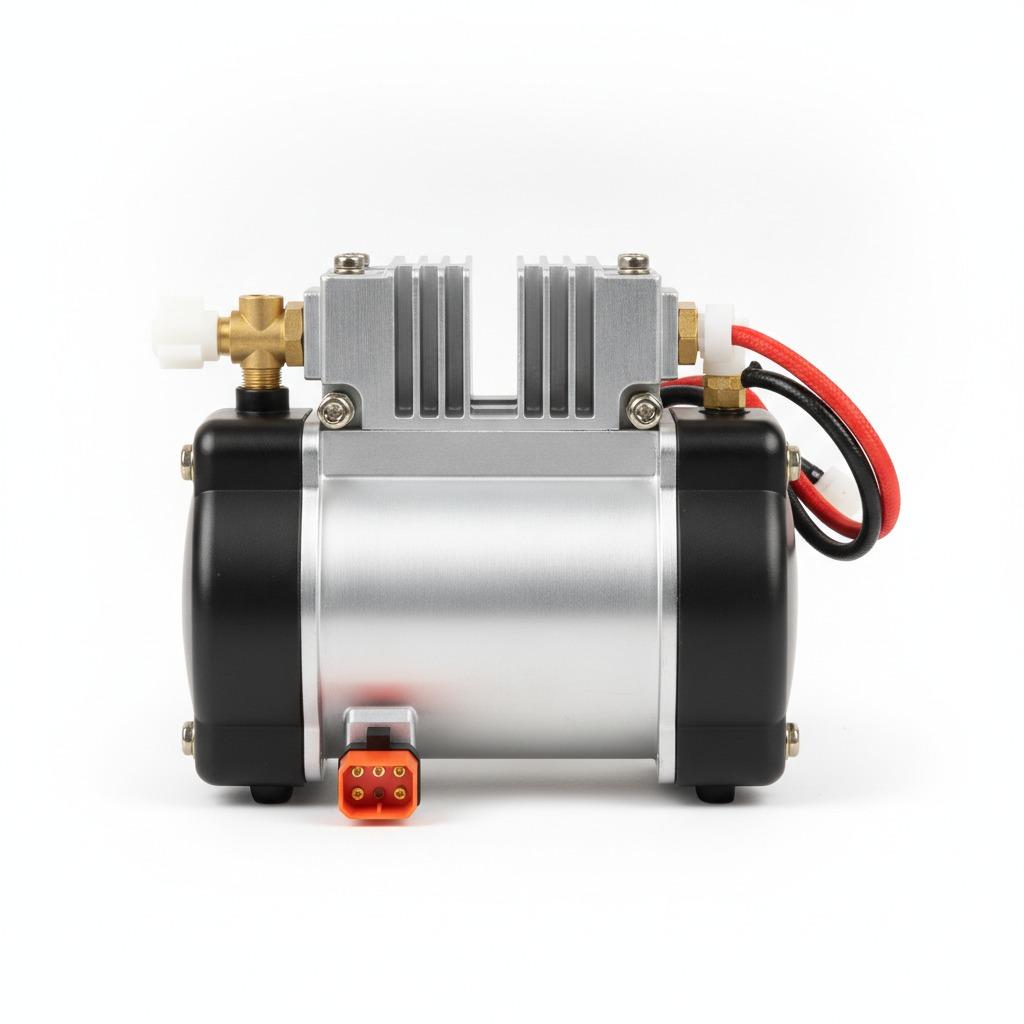
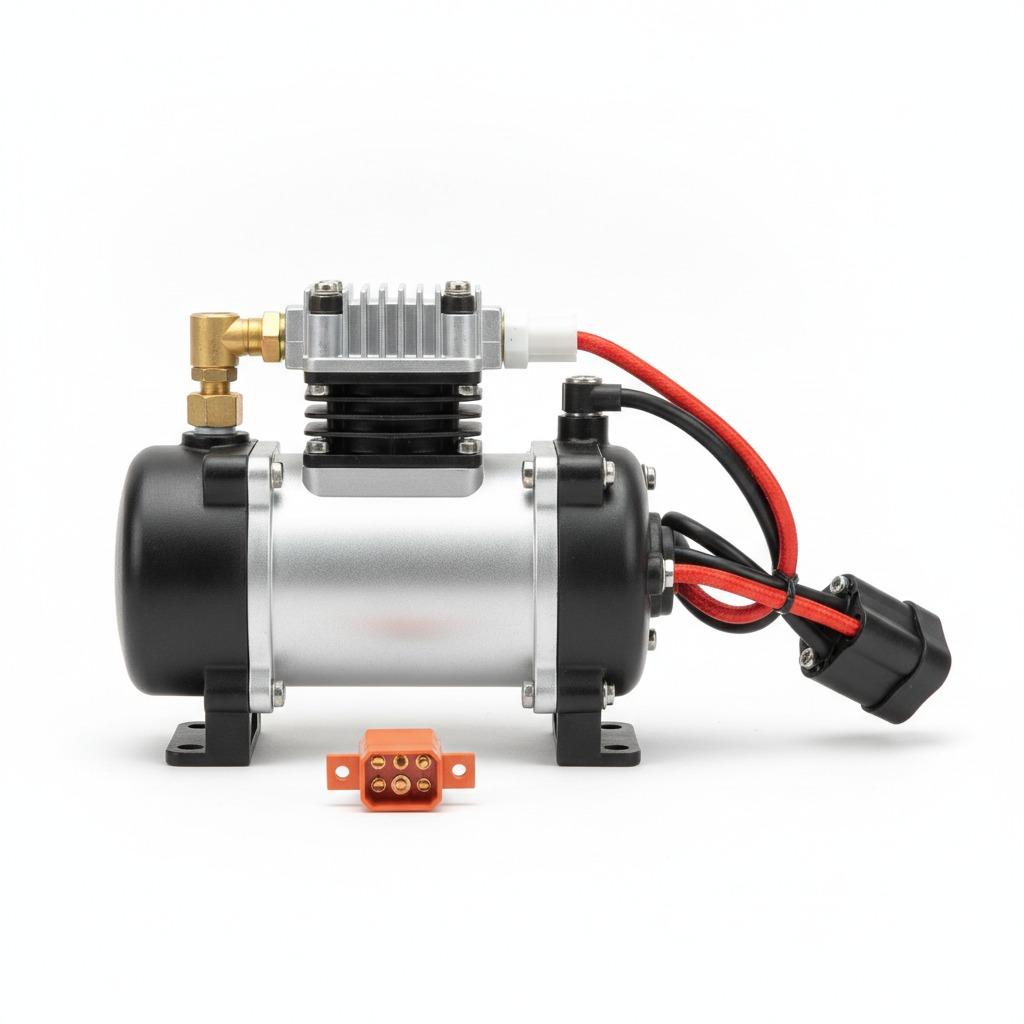
Based on the visible structure, this is a compact electromechanical air compressor assembly with a black molded housing, a cylindrical metal motor body, a finned upper head for cooling, pneumatic ports, and an integrated wiring harness. That combination strongly suggests a vehicle air suspension or related onboard pneumatic application. The module also appears to include a mounting bracket and a relay component shown alongside the unit, which is useful because suspension compressors are often installed as complete service assemblies rather than as loose subcomponents.
From a buyer’s perspective, that matters because the practical value is not just the pump itself. It is the package: motor, compressor head, ports, wiring, and mounting points that allow a repair shop or assembly line to install the part with less rework.
Why the design details matter in sourcing
Suspension compressors live a harder life than many buyers expect. They may run in short bursts, but those bursts can be frequent. Heat buildup, vibration, contamination, and moisture all punish weak designs. The visible finned head section is a good sign because it suggests the designer cared about thermal management. The dual visible air ports and brass-colored fittings also point to a unit meant to interface with a pneumatic circuit rather than a generic electric blower.
Still, visual clues are not performance data. You should not buy on appearance alone. Voltage, airflow rate, maximum pressure, duty cycle, and exact vehicle compatibility are the details that decide whether the compressor will solve the problem or create a comeback job a month later.
Key selection criteria buyers should confirm
Mounting and footprint
Even when a compressor is marketed as a direct replacement, small differences in bracket geometry or port orientation can turn a quick swap into a frustrating job. Check the mounting points, bracket shape, and overall packaging against the existing unit.
Electrical connection
The visible harness and connector are a good starting point, but not enough on their own. Match the connector style, lead configuration, and relay arrangement to the vehicle’s electrical system. If the harness is wrong, the part can be mechanically close and still be useless.
Pneumatic interfaces
The fitting count and position matter because suspension systems are sensitive to airflow routing. A compressor that has the wrong port arrangement may require extra adapters, which is rarely ideal in a service environment.
Cooling and installation environment
Heat is a common failure point in compact compressors. A finned head and compact metal motor section are helpful, but buyers should also consider where the unit sits on the vehicle and whether it will be exposed to road spray, dirt, or restricted airflow.
Common mistakes in purchasing replacement compressors
The first mistake is treating every small compressor as interchangeable. It is not. The second is ignoring the relay or control interface, which can make a new compressor behave badly even if the pump itself is sound. The third is assuming an aftermarket unit with the same external shape will match the original operating profile. Sometimes it will. Sometimes it will not, and the difference shows up as noise, slow lift times, or premature wear.
Another practical caution: if the old compressor failed because of a leak elsewhere in the suspension system, replacing the compressor alone may not be enough. A new unit can be damaged quickly if the system keeps demanding air to compensate for a leak.
What this type of unit is good for
This style of compact assembly is well suited to air suspension systems in passenger cars, SUVs, light trucks, and some specialty vehicles. It is also the kind of module often used in vehicle level-control applications where a controlled supply of compressed air is required. In those settings, a preassembled compressor module can save time compared with sourcing a motor, pump head, bracket, and wiring separately.
Buyer advice before you place the order
Ask for the exact part reference, connector photos, port dimensions, and installation notes. If you are sourcing for a fleet, workshop, or production repair program, request visual confirmation of the mounting points and connector orientation before approving volume purchase. It is a small amount of extra checking compared with the cost of a repeat failure.
If your application is tied to a specific vehicle platform, verify that the compressor assembly aligns with the system architecture rather than relying on appearance alone. That is especially true for suspension components, where the wrong part can affect ride quality, system protection logic, and customer confidence all at once.
Next step
If you are evaluating an Air suspension Compressor 97035815107 for replacement or supply, start with fit, connector layout, port configuration, and installation geometry. Those are the checks that prevent expensive surprises. From there, confirm the operating specifications with the seller or manufacturer documentation before committing to purchase.
Leave a Reply