Understanding the Steering Knuckle: The Heart of Your Vehicle’s Steering System
When discussing the intricate components of a vehicle, the steering knuckle often doesn’t get the attention it deserves. Yet, this vital part, also known as the steering spindle or hub carrier, plays a crucial role in the functionality and safety of your car’s steering system. Let’s delve into what a steering knuckle is, how it works, and why it’s essential for your vehicle’s performance.
What is a Steering Knuckle?
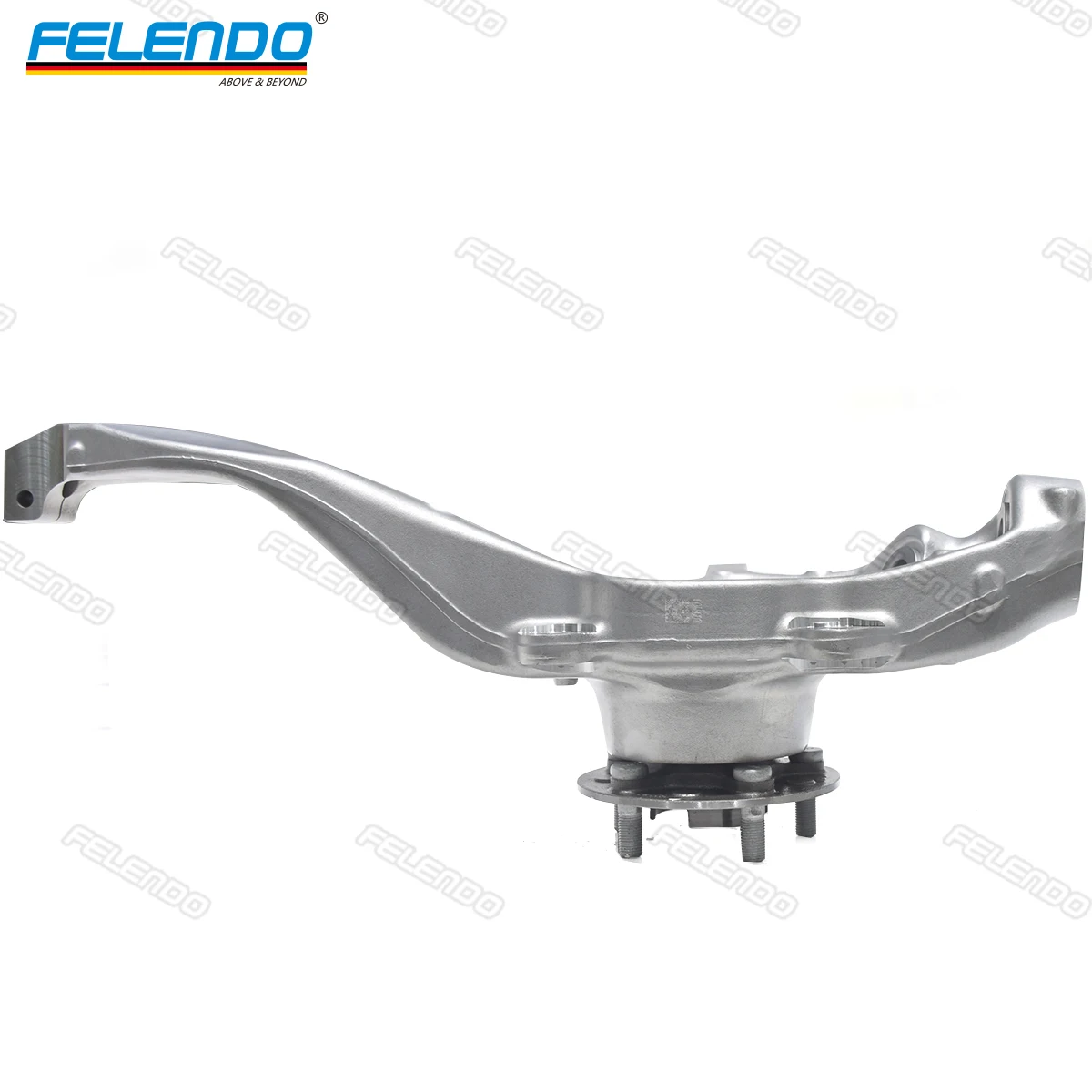
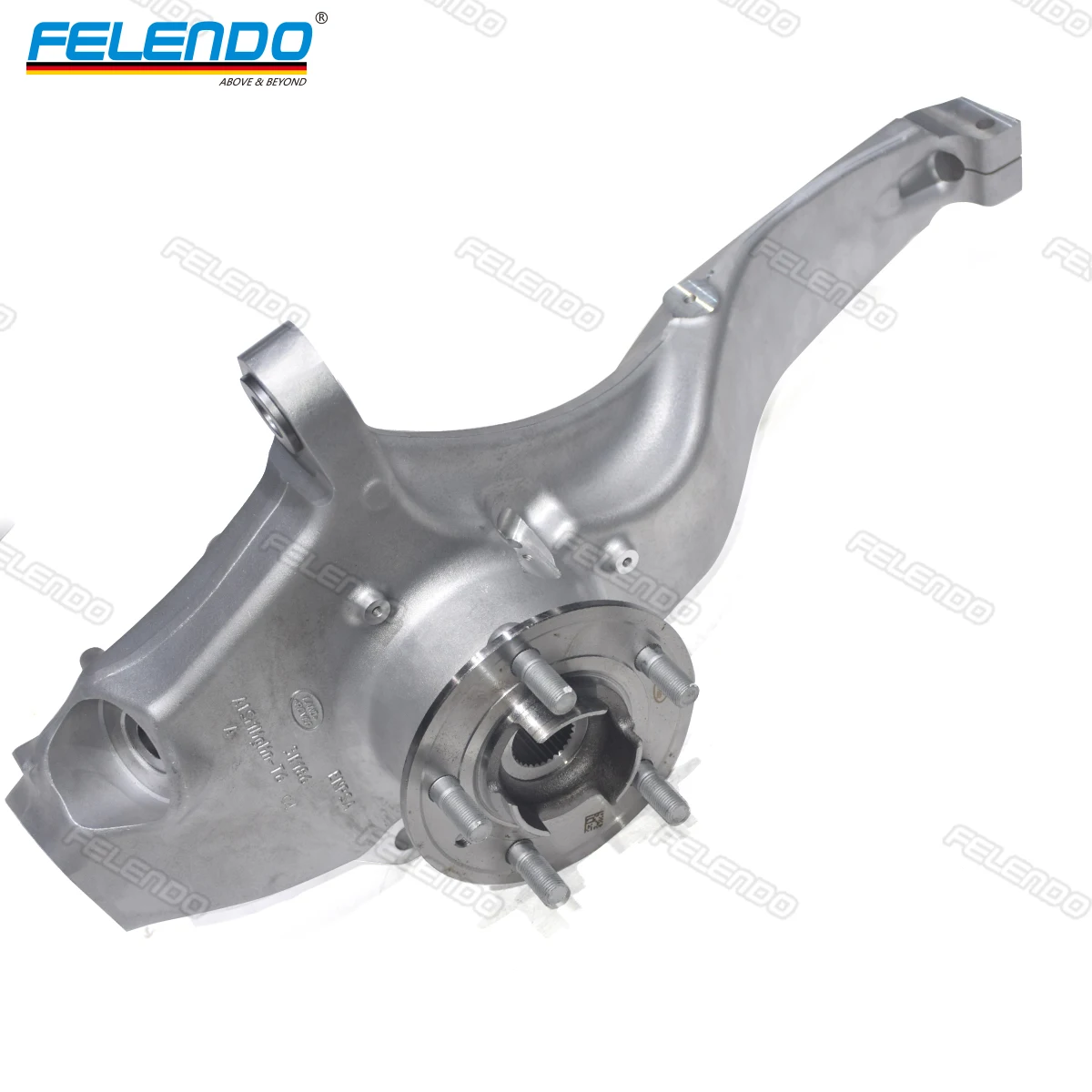
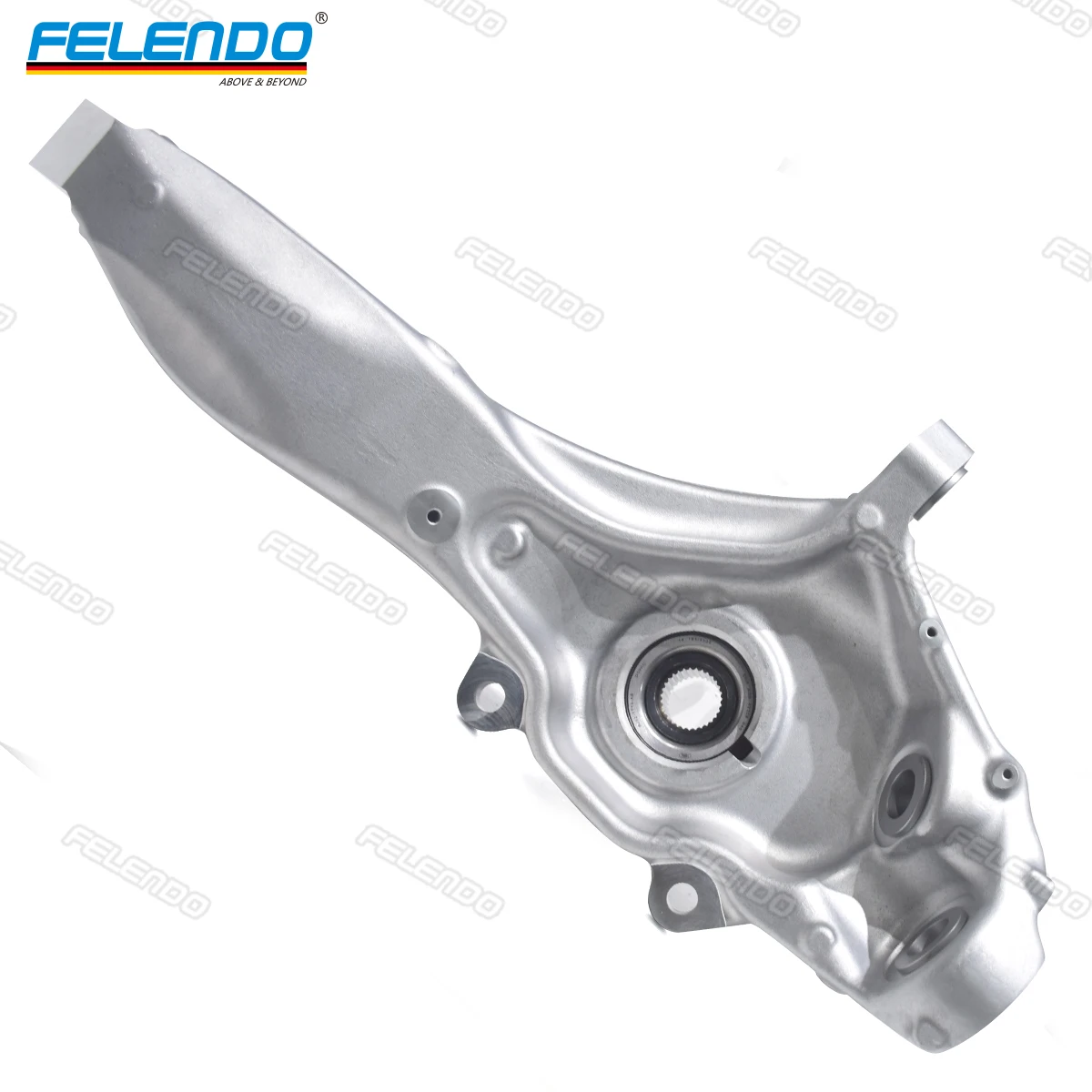
The steering knuckle is a pivotal component in your vehicle’s steering and suspension systems. It connects various parts such as the control arms, the suspension strut, and the steering components, facilitating the wheel’s motion and direction. Essentially, it’s the part that houses the wheel hub or spindle and allows the wheels to pivot.
Key Functions of the Steering Knuckle
-
Steering Control: The primary function of the steering knuckle is to manage the direction of the wheels. It connects to the steering system, allowing the wheels to turn left or right based on the driver’s input.
-
Suspension Integration: The steering knuckle integrates with the suspension system, helping to absorb shocks from the road and providing a smooth ride. It connects the suspension components to the wheels, allowing for controlled movement.
-
Wheel Support: The knuckle supports the wheel hub, ensuring the wheel stays attached to the vehicle while allowing it to rotate freely. This is critical for both the drive and non-drive wheels.
-
Brake System Mounting: In many vehicles, the steering knuckle also serves as the mounting point for the brake caliper. This integration is vital for the effective operation of the braking system.
Types of Steering Knuckles
Steering knuckles come in various designs, depending on the type of suspension system used:
- MacPherson Strut Knuckles: These are common in many modern vehicles. They connect the lower control arm and the strut assembly.
- Double Wishbone Knuckles: Typically found in performance and luxury vehicles, these knuckles connect to both upper and lower control arms, providing superior handling.
- Solid Axle Knuckles: Used in heavy-duty and off-road vehicles, these knuckles are part of the solid axle assembly, providing durability and strength.
Materials and Manufacturing
Steering knuckles are usually made from high-strength materials such as forged steel or cast iron to withstand the stresses and forces they encounter. In some high-performance and modern vehicles, aluminum alloys are used to reduce weight without compromising strength.
Common Issues and Maintenance
Like any vehicle component, steering knuckles can encounter issues over time. Common problems include:
- Wear and Tear: Continuous use can lead to wear, especially at the points where the knuckle interfaces with other parts.
- Corrosion: Exposure to the elements can cause rust, especially in areas with harsh winters.
- Impact Damage: Hitting potholes or curbs can damage the knuckle, leading to alignment issues.
Regular inspections and maintenance are crucial. If you notice issues such as uneven tire wear, unusual noises when turning, or alignment problems, it’s essential to have your steering knuckle inspected by a professional.
Conclusion
The steering knuckle may not be the most talked-about part of your vehicle, but its role is undeniably critical. It ensures your wheels turn smoothly, your suspension absorbs shocks effectively, and your brakes function properly. By understanding its functions and maintaining it well, you can ensure a safe and comfortable driving experience.
In summary, the next time you think about your vehicle’s steering and suspension systems, remember the steering knuckle – the unsung hero that keeps your wheels in check and your rides smooth.
Leave a Reply