The Range Rover L405 and L494 are two distinct models that, while sharing the same luxury pedigree, cater to different driving experiences and market segments. One of the critical components in their design is the steering knuckle, a part that plays a vital role in the vehicle’s suspension and steering systems. Despite both being Range Rovers, the steering knuckles in the L405 and L494 differ significantly due to their unique design requirements and driving dynamics.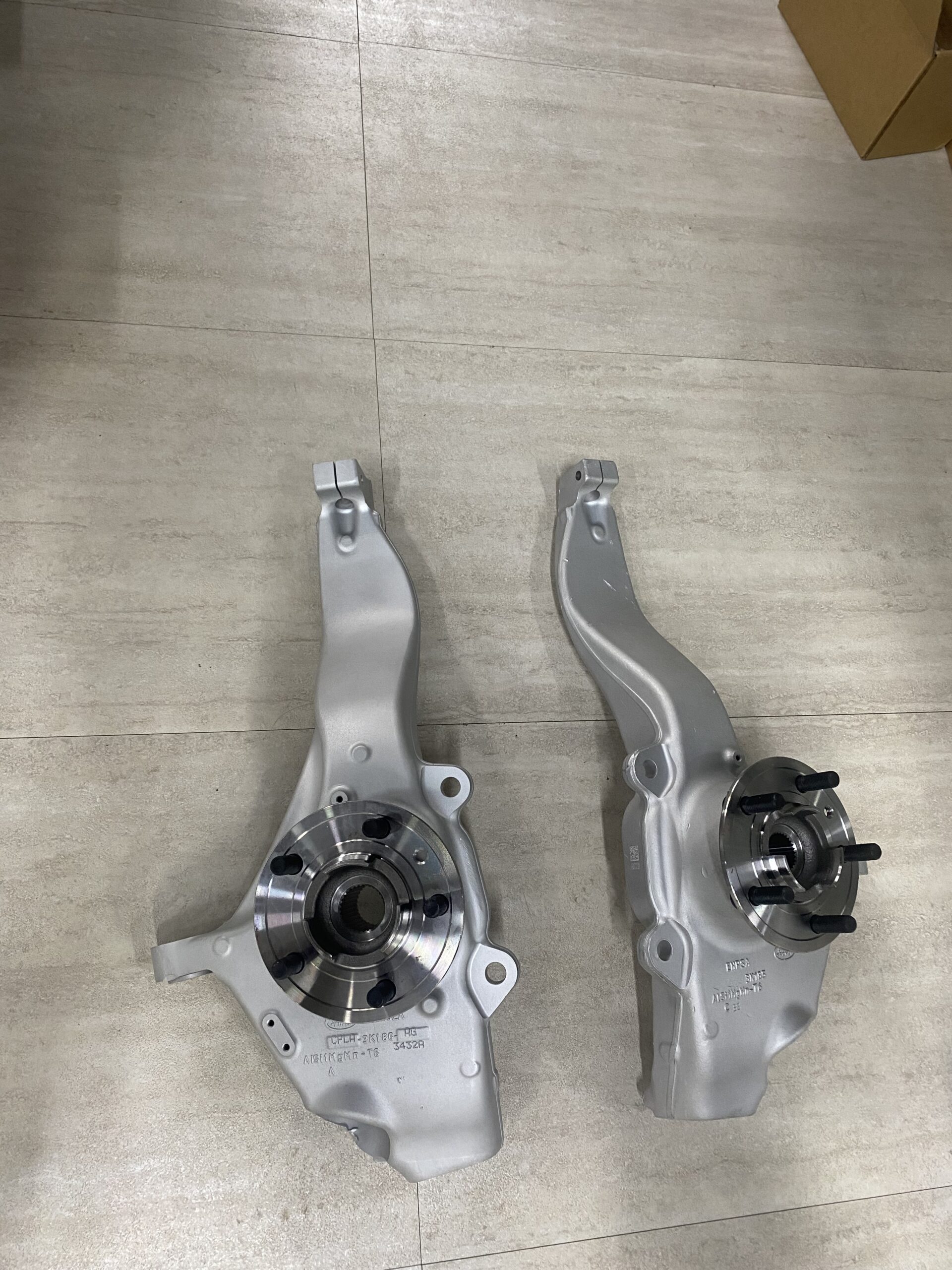
1. Design and Structure
- L405: The L405, known for its larger and more robust design, features a steering knuckle that is engineered to handle more weight and provide stability during off-road conditions. The knuckle is generally heavier, made from high-strength materials to endure the rough terrains that the L405 is often expected to navigate.
- L494: The L494, which represents the Range Rover Sport, has a steering knuckle designed with a focus on agility and performance. While it is still robust, it is lighter and optimized for improved handling and responsiveness, aligning with the L494’s sporty character.
2. Material Composition
- L405: The steering knuckle in the L405 is typically made from cast iron or forged steel, providing maximum durability. This is crucial for the L405’s capability to maintain composure under heavy loads and during intense off-road use.
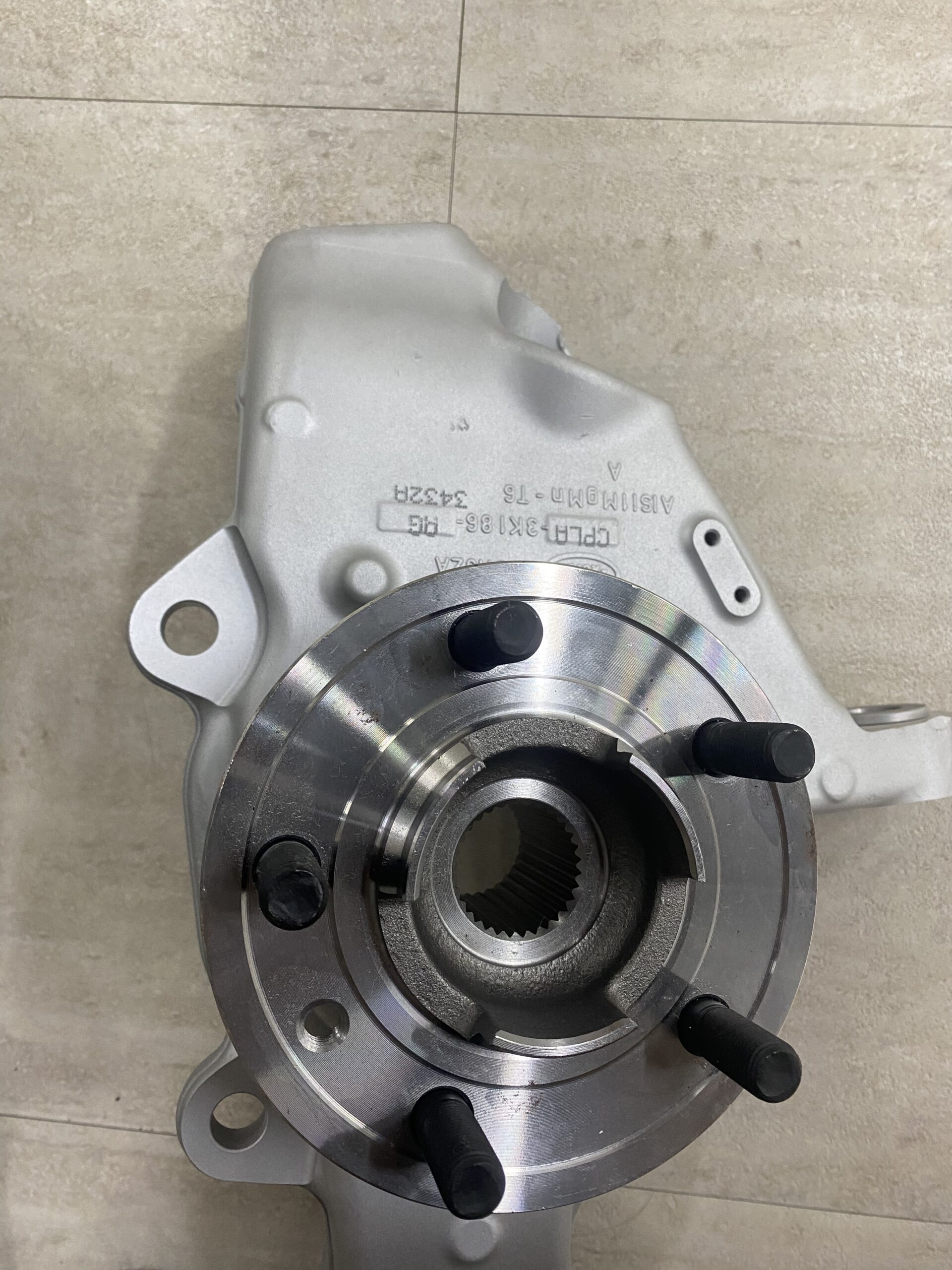
- L494: In contrast, the L494’s steering knuckle may incorporate lighter materials like aluminum or a mix of aluminum and steel. This choice of materials contributes to the vehicle’s lighter weight and enhances its handling dynamics, a key feature for a sportier drive.
3. Suspension Geometry
- L405: The L405’s suspension is tuned for comfort and off-road prowess, which is reflected in the design of its steering knuckle. The geometry is tailored to provide a smooth ride even on rough surfaces, ensuring that the vehicle remains stable and comfortable.
- L494: The L494, however, has a suspension setup that prioritizes sporty handling. The steering knuckle in this model is designed to support a lower ride height and more aggressive suspension geometry, enhancing the vehicle’s cornering ability and responsiveness.
4. Integration with Other Components
- L405: The steering knuckle in the L405 integrates with larger brakes and more substantial suspension components to support the vehicle’s off-road capabilities. It is designed to withstand the additional stress from larger wheels and tires, which are common on this model.
- L494: For the L494, the steering knuckle is paired with components that favor performance. It supports smaller, lighter suspension parts and brakes that are designed for high-speed stability and control, reflecting the vehicle’s emphasis on sportiness.
5. Driving Experience
- L405: The steering knuckle in the L405 contributes to a driving experience that is more focused on comfort and stability, whether on highways or rugged terrains. It ensures that the vehicle can handle uneven surfaces without compromising passenger comfort.
-
L494: The L494, with its sport-tuned steering knuckle, offers a more dynamic and engaging driving experience. The lighter, more responsive setup allows for quicker steering inputs and a more connected feel to the road, catering to drivers who prioritize performance.
Conclusion
While the Range Rover L405 and L494 share a common brand and some design philosophies, their steering knuckles highlight the distinct purposes these vehicles serve. The L405 is built for durability and off-road capability, with a steering knuckle that supports these goals. On the other hand, the L494 is designed for those who seek a sporty, performance-oriented drive, with a steering knuckle that enhances agility and responsiveness. Understanding these differences is crucial for enthusiasts and professionals alike, as it underscores the unique engineering that goes into each model to meet its specific driving demands.
Leave a Reply